The Hidden Wonders: Uncovering Curious Discoveries
Exploration has always been a part of human nature. From the depths of the ocean to the vast expanse of outer space, we are constantly seeking to uncover the mysteries of the world around us. But sometimes, the most fascinating discoveries are found right under our noses, hidden in plain sight. These hidden wonders offer a glimpse into the strange and unexpected aspects of our world, challenging our perceptions and expanding our understanding of the world we live in.
The Lost City of Petra
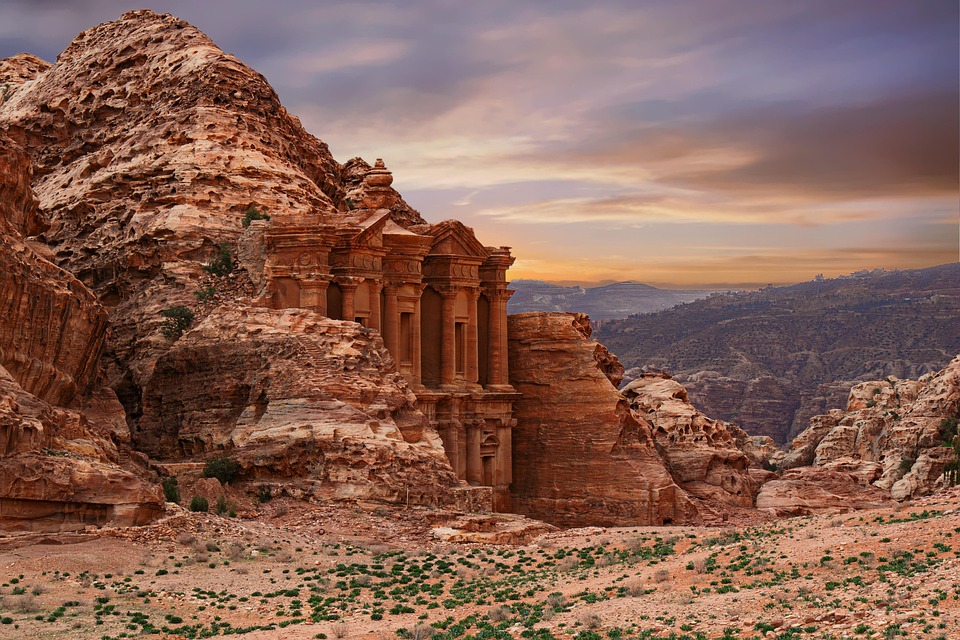
One of the most famous hidden wonders is the lost city of Petra, located in modern-day Jordan. This ancient city was carved into the rose-red cliffs of the Jordanian desert over 2,000 years ago, and was once a thriving metropolis along the trade routes of the ancient world. The city was abandoned and forgotten for centuries, until it was rediscovered by a Swiss explorer in the early 19th century.
Today, Petra is a UNESCO World Heritage Site and a popular tourist destination, known for its stunning architecture and intricate rock-cut tombs. The city’s most famous building is the Treasury, a massive temple carved into the cliff face that is believed to have been used as a royal tomb. Visitors can also explore the city’s amphitheater, tombs, and temples, providing a glimpse into the daily life of the ancient Nabateans who once called Petra home.
The Nazca Lines
Another hidden wonder that has captured the imagination of people around the world is the Nazca Lines, a series of ancient geoglyphs located in the Nazca Desert of Peru. These massive designs, which were created by removing rocks and earth to reveal the lighter-colored soil underneath, are only visible from the air, leading to speculation about their purpose and origin.
The Nazca Lines include a variety of shapes and designs, including animals, plants, and geometric patterns. Some of the most famous designs include a hummingbird, a spider, and a monkey. The purpose of the Nazca Lines remains a mystery, with theories ranging from religious rituals to astronomical calendars.
The Moai of Easter Island
One of the most enigmatic hidden wonders in the world is the Moai of Easter Island, a remote island located in the Pacific Ocean. These massive stone statues, which were carved by the native Rapa Nui people between the 13th and 16th centuries, are scattered across the island, standing up to 33 feet tall and weighing up to 80 tons.
The purpose of the Moai remains a mystery, with theories ranging from ancestral worship to status symbols for tribal leaders. The statues are carved from volcanic tuff, a soft rock found on the island, and were transported across the island using a system of logs and ropes. The Moai are a testament to the ingenuity and craftsmanship of the Rapa Nui people, who were able to create these massive statues with primitive tools.
The Sunken City of Pavlopetri
One of the most remarkable hidden wonders is the sunken city of Pavlopetri, located off the coast of southern Greece. This ancient city, which dates back to the Bronze Age, was submerged underwater around 1000 BC, making it one of the oldest submerged cities in the world.
Pavlopetri is unique in that it is still largely intact, with streets, buildings, and tombs preserved in remarkable detail. The city’s layout is remarkably well-preserved, with buildings arranged in a grid pattern and streets lined with stone blocks. The city’s underwater location has helped to protect it from looting and vandalism, preserving its archaeological significance for future generations.
The Crystal Caves of Naica
One of the most breathtaking hidden wonders is the crystal caves of Naica, located in the Chihuahua Desert of Mexico. These caves are home to some of the largest crystals in the world, with some crystals reaching lengths of up to 39 feet and weighing up to 55 tons.
The crystals in the Naica caves are formed from gypsum, a common mineral found in caves around the world. What makes the crystals in Naica unique is their size and clarity, which is the result of a combination of factors including the temperature and mineral composition of the cave. The caves are extremely hot and humid, with temperatures reaching up to 136 degrees Fahrenheit, making them one of the most inhospitable environments on Earth.
Conclusion
Hidden wonders are all around us, waiting to be discovered and explored. From ancient cities to massive crystals, these curious discoveries challenge our perceptions of the world and expand our understanding of the past. By uncovering these hidden wonders, we can gain a deeper appreciation for the diversity and complexity of the world we live in, and marvel at the ingenuity and creativity of those who came before us.
So the next time you find yourself wandering off the beaten path, keep your eyes open for the hidden wonders that lie just out of sight. You never know what you might uncover.