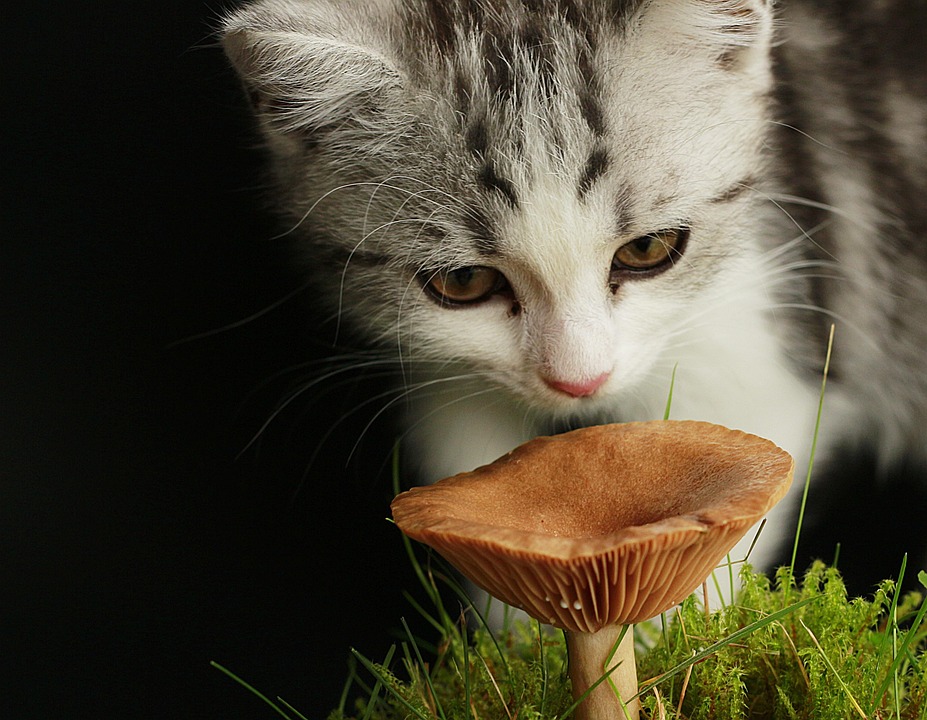
The Power of Curiosity: Igniting a Passion for Lifelong Learning
Curiosity is often seen as a childlike trait, something we outgrow as we grow older and settle into our routines. However, curiosity is a powerful force that can drive us to new heights of knowledge and understanding. It is the spark that ignites a passion for lifelong learning, pushing us to explore new ideas, ask questions, and seek out new experiences.
The Nature of Curiosity
Curiosity is a natural human trait that drives us to explore the world around us. It is what compels us to ask questions, seek out new information, and push the boundaries of our knowledge. Curiosity is not just about finding answers, but about the joy of discovery and the thrill of learning something new.
The Benefits of Curiosity
Curiosity has a multitude of benefits, both for individuals and society as a whole. For individuals, curiosity can lead to increased creativity, improved problem-solving skills, and a greater sense of fulfillment. It can also help us stay mentally sharp as we age, as it encourages us to continue learning and growing throughout our lives.
On a societal level, curiosity drives innovation and progress. It is what leads scientists to make new discoveries, artists to create groundbreaking works of art, and entrepreneurs to develop new technologies. Curiosity is what drives us to explore the unknown and push the boundaries of what is possible.
How to Cultivate Curiosity
Cultivating curiosity is essential for igniting a passion for lifelong learning. There are several ways to nurture your curiosity and keep it alive and well:
Ask Questions
One of the best ways to cultivate curiosity is to ask questions. Don’t be afraid to question the status quo or challenge assumptions. Asking “why” and “how” can lead to new insights and a deeper understanding of the world around you.
Seek out New Experiences
One of the best ways to spark curiosity is to seek out new experiences. Travel to new places, try new foods, and learn about different cultures. Experiencing new things can open your mind to new ideas and perspectives, igniting your curiosity and driving you to learn more.
Read Widely
Reading is a great way to feed your curiosity. Read books on a wide range of topics, from history to science to philosophy. Expose yourself to new ideas and perspectives, and you may find yourself inspired to learn more about a particular subject.
Embrace Failure
Failure is a natural part of the learning process. Don’t be afraid to try new things and make mistakes. Embrace failure as an opportunity to learn and grow, and let your curiosity drive you to keep trying until you succeed.
The Importance of Lifelong Learning
Lifelong learning is essential in today’s fast-paced world. The rapid pace of change means that the skills and knowledge we have today may not be enough tomorrow. Lifelong learning allows us to adapt to new challenges, stay relevant in our careers, and continue to grow and develop as individuals.
Curiosity is the key to lifelong learning. It is what drives us to seek out new knowledge and skills, to push ourselves out of our comfort zones, and to embrace new challenges. Without curiosity, we would be content to stay where we are, never striving for new heights or pushing ourselves to learn and grow.
Conclusion
Curiosity is a powerful force that can ignite a passion for lifelong learning. It drives us to explore new ideas, ask questions, and seek out new experiences. Cultivating curiosity is essential for staying mentally sharp, adapting to new challenges, and continuing to grow and develop throughout our lives.
Embrace your curiosity, ask questions, seek out new experiences, and never stop learning. The power of curiosity is limitless, and it can lead you to new heights of knowledge and understanding that you never thought possible.